
What is your cabin
actually worth?
Defensible dollar values for dovetail corners, moss-chinked walls, and the structures most appraisers won't touch.
Estimate your structure's value
Fill in what you know. The right panel responds in real time.
Complete at least 2 fields to see a range
Not ready to order? See exactly what a completed report includes.
A method built for structures that outlived their builders
Standard appraisal practice was designed for drywall and tract homes. Applying it to a 1942 saddle-notch cabin produces a number that satisfies no one. The Hewn method is different at every step.
On-site structural reading
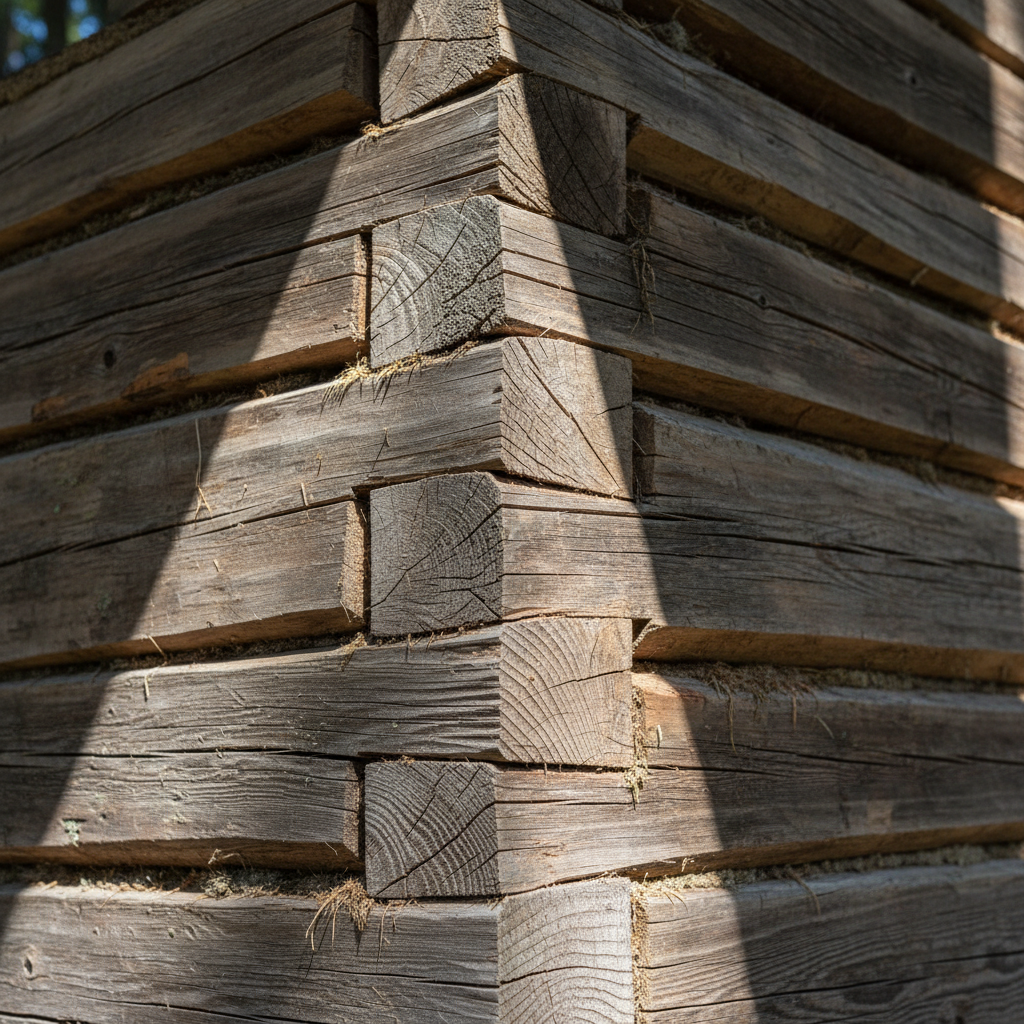
Every log is documented — species, diameter, taper, checking pattern, and evidence of hand-hewing versus mill-cut. Corner joinery is photographed from all four elevations. This isn't a drive-by; it's a day on your property.
Chinking and infill analysis
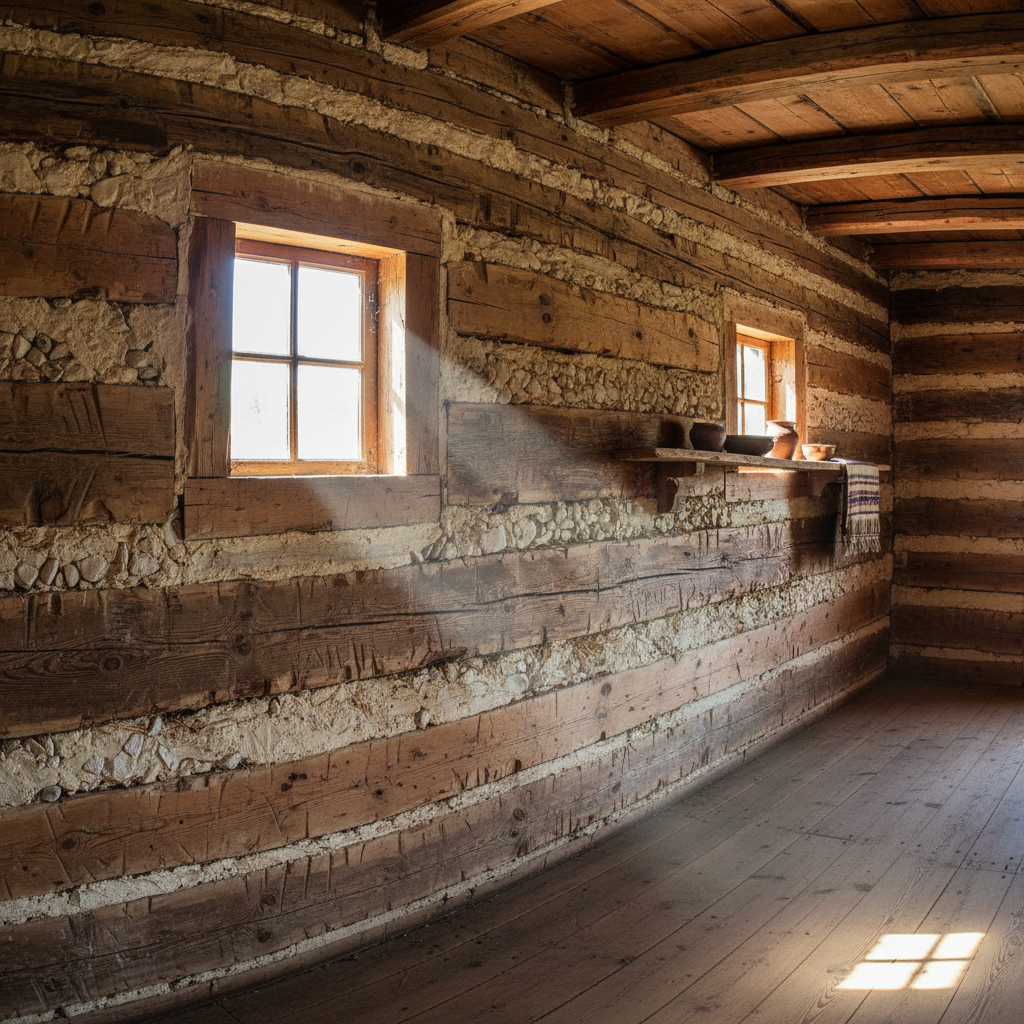
Original moss-and-clay chinking is a preservation marker that adds meaningful value. I distinguish it from oakum, mortar, and synthetic chink, and I note every repair generation visible in the wall plane.
Comparable extraction
Standard MLS comps don't capture log structures accurately. I pull from courthouse deed records, timber-country estate sales, and a private database of 400+ historic rural sales going back twelve years.
Defensible written conclusion
The final report is written to withstand scrutiny from a lender's underwriter, a probate judge, or an insurance company's SIU. Every adjustment is explained in plain language with supporting documentation.
Western NC · Eastern TN · Southwest VA · North GA · Southern WV. Remote desktop review available for out-of-area estate matters.


“Every structure I appraise gets documented with the same care the builder gave to fitting those corners. The photography is evidence. The writing is testimony.”
— James Calloway, Certified General Appraiser
26 years in timber country
The database, the methodology, and the courtroom experience were all built one structure at a time.
First log structure appraisal
Assigned to value a 1911 saddle-notch homestead in Haywood County as part of an estate. Standard comps were useless. Spent three weeks building the methodology from the ground up.
Certified General Appraiser license
NC Certified General Real Property Appraiser #A7412. Completed additional coursework in historic preservation valuation through the Appraisal Institute.
Timber-country database established
Began systematically extracting and cataloguing log structure sales from courthouse records across six Appalachian states. Now 400+ transactions spanning 1994–present.
Expert witness — Swain County estate
Testified in probate court on behalf of the estate. Value conclusion withstood cross-examination from opposing counsel and was adopted by the court.
Insurance replacement cost panel
Added to specialty panel for three regional insurers covering historic rural structures. Replacement-cost methodology now cited in company guidelines.
Hewn practice launched
Separated the specialty practice from general appraisal work to focus exclusively on log, timber-frame, and historic rural structures across the Southern Appalachians.
What you receive
A 12-page written appraisal report, formatted to USPAP standards and written to withstand lender, legal, and insurance scrutiny.
Three kinds of clients.
One kind of answer.
Estate attorneys, rural homeowners, and insurance adjusters all need the same thing: a number that holds up.
“I've handled timber-country estates for eighteen years. Hewn is the only appraiser I've found who can produce a number a probate judge will accept for a 1930s dovetail cabin. The comparable grid alone is worth the fee.”
“My grandmother built that cabin in 1944. Every bank we talked to said they couldn't finance it. Hewn came out, spent the whole day, and three weeks later we had a report that got us a 30-year note. We didn't think it was possible.”
“We had a total loss claim on a 1952 saddle-notch structure and no idea what replacement cost meant for something you couldn't build from a catalog. The Hewn report gave us a defensible number we could actually use.”
Ready to put a defensible number on your structure?
Start the Estimator